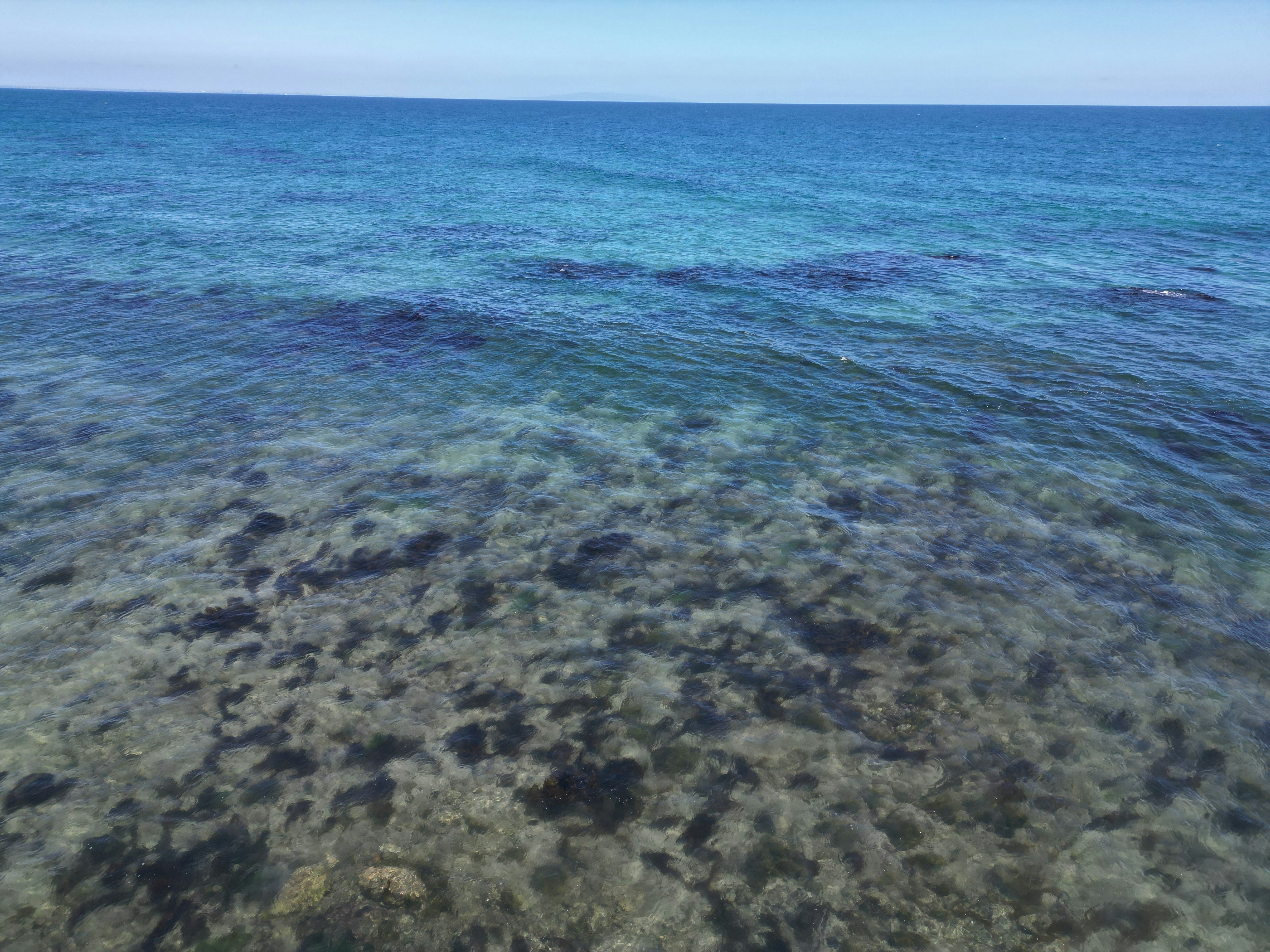
A multidecadal hydrographic study in Nature estimates the biological carbon pump exports 15 Pg C per year from surface waters — with the mesopelagic zone playing a critical role.
Between the sunlit surface waters and the crushing darkness of the deep sea lies a realm that scientists call the mesopelagic zone — the ocean's twilight zone. Spanning depths of 200 to 1,000 meters, it is the largest habitat on Earth by volume, yet it remains one of the least explored.
The twilight zone receives just 1% of the sunlight that reaches the surface. Temperatures drop sharply through a thermocline, and pressure increases to levels that challenge human engineering. Despite these extremes, the zone teems with life. Acoustic surveys suggest it contains 1 to 10 billion tonnes of fish — potentially more biomass than all the world's commercial fisheries combined.
A landmark study published in Nature (Nowicki et al., 2023, DOI: 10.1038/s41586-023-06772-4) used several decades of hydrographic observations to produce a comprehensive estimate of the biological carbon pump (BCP) — the process by which photosynthetically produced organic carbon is transferred from surface to mesopelagic waters, drawing CO₂ from the atmosphere. The study estimates total organic carbon export at 15.00 ± 1.12 Pg C per year, with the mesopelagic zone playing a central role in carbon sequestration.
The dominant inhabitants of the twilight zone — small, silvery fish like lanternfish (myctophids) and bristlemouths — perform one of the ocean's most remarkable daily rituals: the diel vertical migration. Each night, billions of these animals ascend to the surface to feed on plankton. Before dawn, they descend back to the twilight zone, carrying carbon from surface waters into the deep in their bodies. This "biological pump" is a critical mechanism for sequestering atmospheric CO₂.
The twilight zone is now attracting commercial interest. Several companies have proposed harvesting mesopelagic fish for fishmeal and omega-3 supplements. Scientists are alarmed. The ecological consequences of large-scale extraction from this poorly understood ecosystem could be catastrophic — not only for the food webs that depend on these fish, but for the carbon sequestration services they provide.
International bodies are racing to establish governance frameworks before commercial exploitation begins. The challenge is immense: the twilight zone lies largely in international waters, beyond the jurisdiction of any single nation, making regulation a complex diplomatic undertaking.
Sources & Attribution
This article is based on published research and official reports from credible marine science institutions. Full credit goes to the original authors and organizations listed below.
- 1Nowicki et al. (2023) — Biological carbon pump estimate based on multidecadal hydrographic data (Nature)
Nowicki, M., et al. (2023). Biological carbon pump estimate based on multidecadal hydrographic data. Nature, 624, 77–83. https://doi.org/10.1038/s41586-023-06772-4
- 2MBARI — Mesopelagic Zone Research
Monterey Bay Aquarium Research Institute (MBARI). Mesopelagic zone ecology research.
- 3NOAA — Ocean Exploration: Mesopelagic Zone
NOAA Ocean Exploration. (2024). Mesopelagic Zone. National Oceanic and Atmospheric Administration.