Coral Bleaching: The Silent Crisis Reshaping Reefs
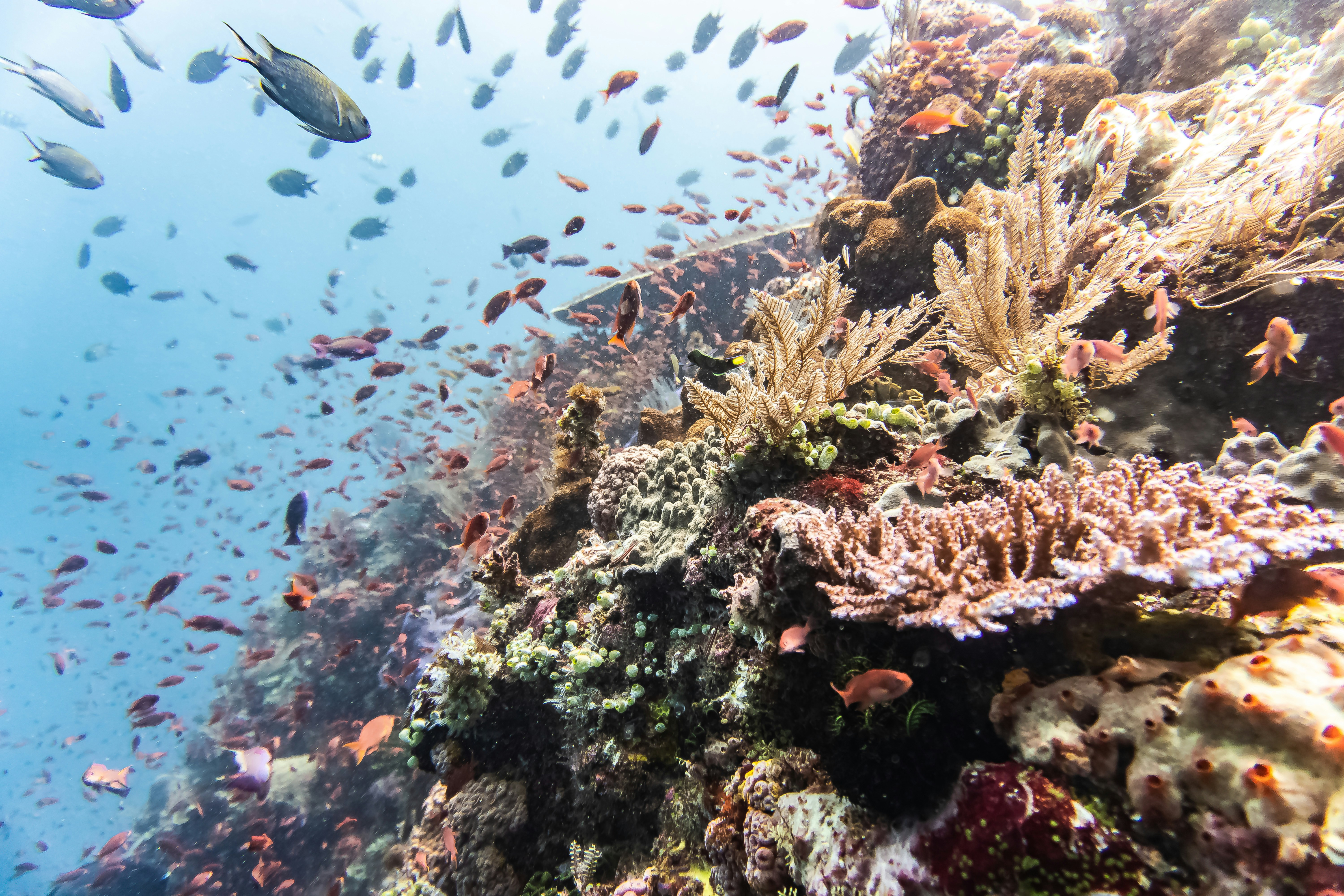
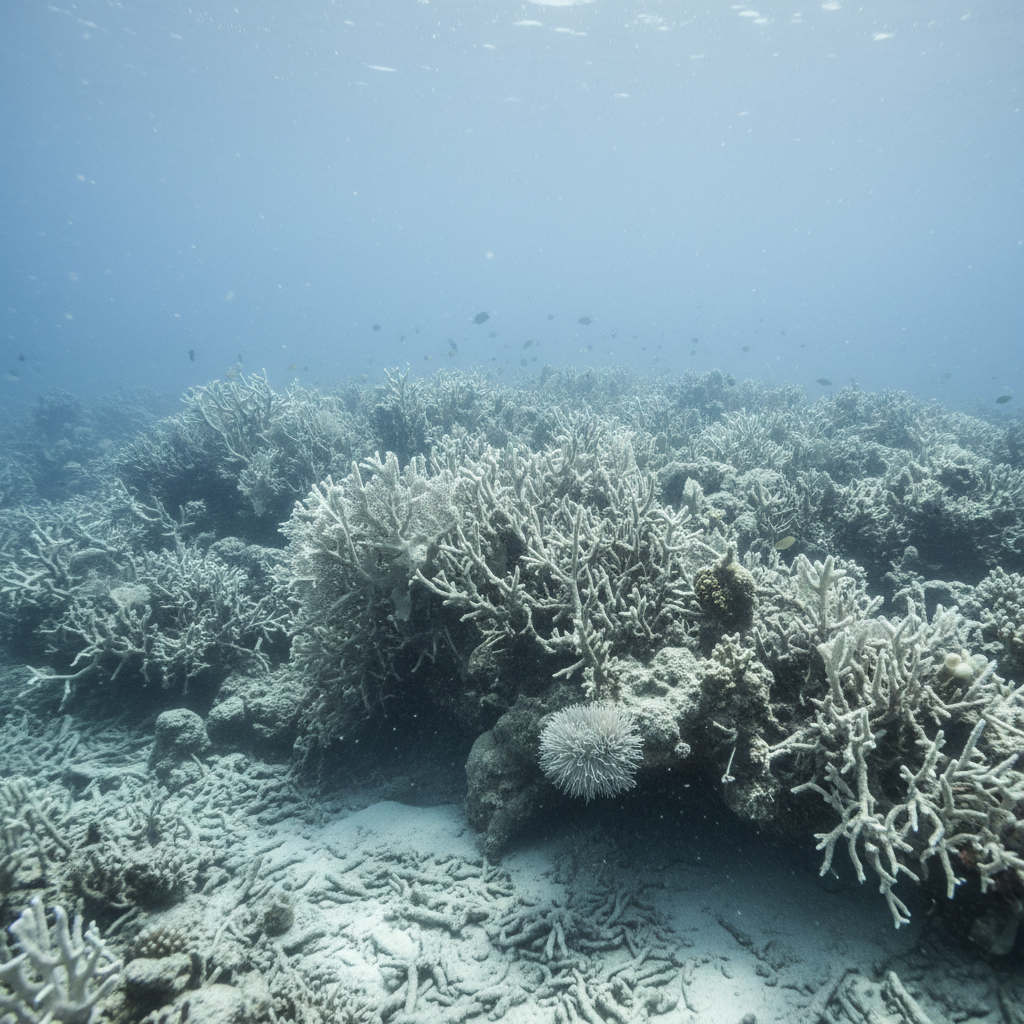
NOAA confirms the 4th global coral bleaching event on record, with mass bleaching documented across the Atlantic, Pacific, and Indian Ocean basins.
Deep-dive into marine biology, oceanography, conservation science, and the latest research from the world's ocean ecosystems.
Photo by Silas Baisch / Unsplash
The hadal zone remains one of Earth's final frontiers. A 2023 expedition sets a new depth record for fish at 8,336 meters in the Izu-Ogasawara Trench.
NOAA confirms the 4th global coral bleaching event on record, with mass bleaching documented across the Atlantic, Pacific, and Indian Ocean basins.
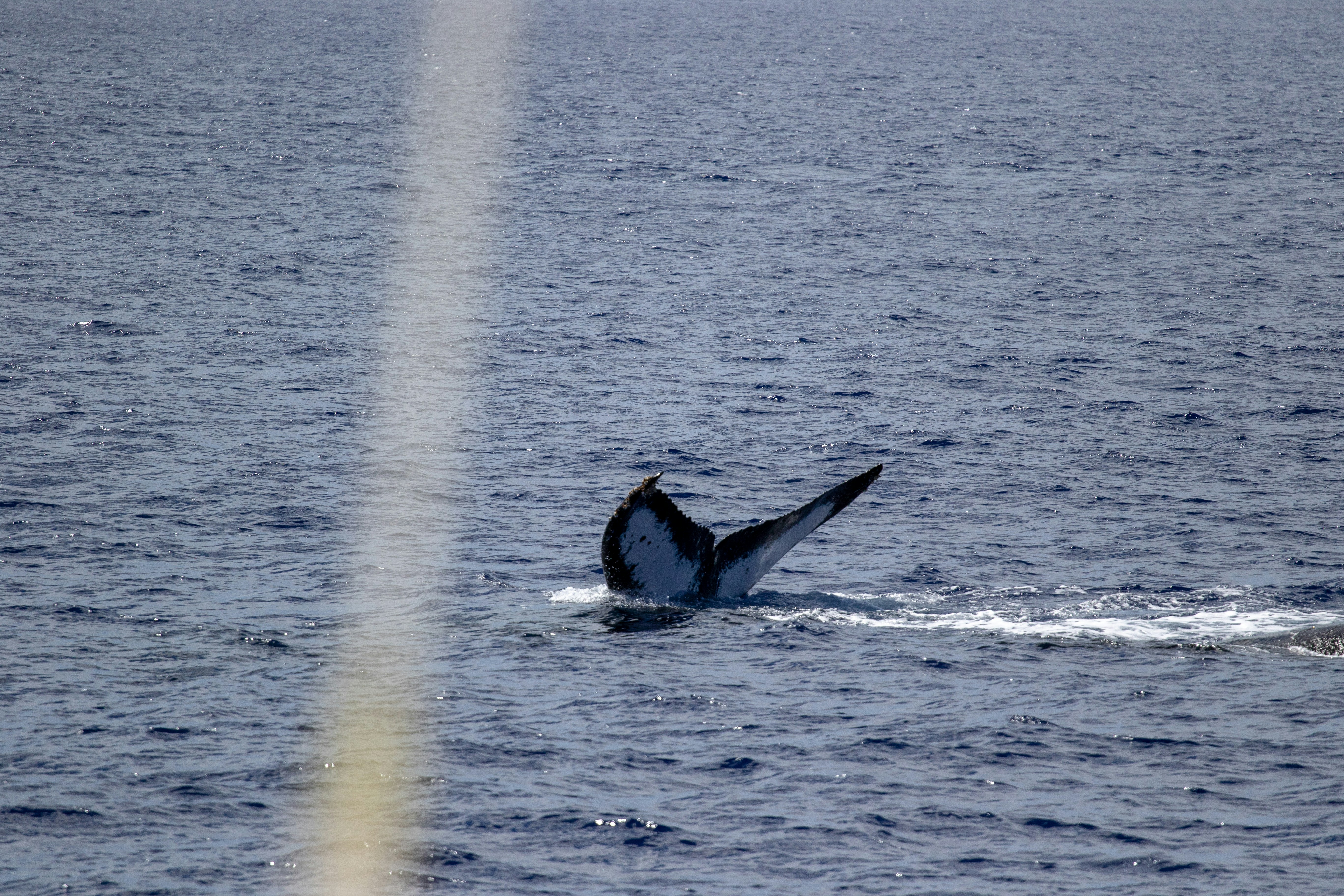
NOAA Fisheries uses satellite tagging, acoustic monitoring, and machine learning to track humpback whale migration and reduce ship strikes.
A 37-year CalCOFI time series provides direct evidence of ocean acidification in the Pacific — the oldest such record in the ocean.
A species-level inventory of marine bioluminescence documents the phenomenon across all major animal groups — from bacteria to fish.
A Great Barrier Reef study finds fully protected no-take zones support more than 3× the fish biomass of open fishing zones.
A multidecadal hydrographic study estimates the biological carbon pump exports 15 Pg C per year — with the mesopelagic zone playing a critical role.
Loggerhead turtles can learn the magnetic signatures of oceanic locations — the first experimental evidence that animals can learn magnetic map cues.